
You renderd the snippet swatch.liquid with the name of a product option — 'Size' — that does not belong to your product.
Use {% render 'swatch' with 'name of your product option here' %}
Example: {% render 'swatch' with 'Color' %}
This is case-sensitive! Do not put in 'color' if your product option name is 'Color'.
You renderd the snippet swatch.liquid with the name of a product option — 'Color' — that does not belong to your product.
Use {% render 'swatch' with 'name of your product option here' %}
Example: {% render 'swatch' with 'Color' %}
This is case-sensitive! Do not put in 'color' if your product option name is 'Color'.
You renderd the snippet swatch.liquid with the name of a product option — 'Material' — that does not belong to your product.
Use {% render 'swatch' with 'name of your product option here' %}
Example: {% render 'swatch' with 'Color' %}
This is case-sensitive! Do not put in 'color' if your product option name is 'Color'.
You renderd the snippet swatch.liquid with the name of a product option — 'Size' — that does not belong to your product.
Use {% render 'swatch' with 'name of your product option here' %}
Example: {% render 'swatch' with 'Color' %}
This is case-sensitive! Do not put in 'color' if your product option name is 'Color'.
You renderd the snippet swatch.liquid with the name of a product option — 'Color' — that does not belong to your product.
Use {% render 'swatch' with 'name of your product option here' %}
Example: {% render 'swatch' with 'Color' %}
This is case-sensitive! Do not put in 'color' if your product option name is 'Color'.
You renderd the snippet swatch.liquid with the name of a product option — 'Material' — that does not belong to your product.
Use {% render 'swatch' with 'name of your product option here' %}
Example: {% render 'swatch' with 'Color' %}
This is case-sensitive! Do not put in 'color' if your product option name is 'Color'.
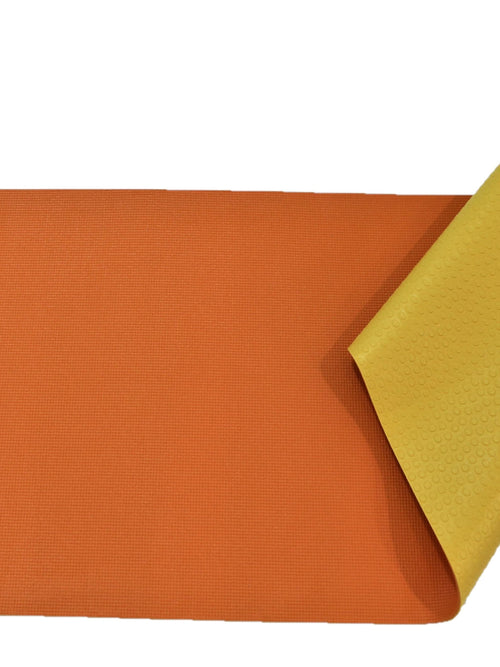
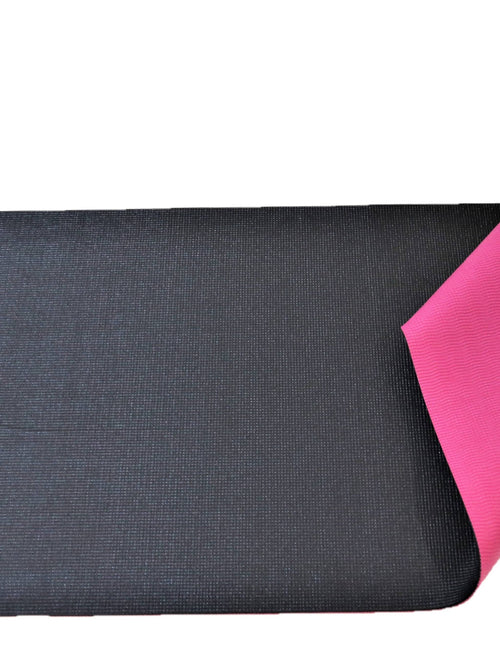
Yoga Mats
A yoga mat serves as the foundational surface for your physical practice. Designed to provide exact structural traction and joint cushioning, these functional layers ensure stability across all movements. Crafted from high-density TPE, natural rubber, and durable synthetics, they offer precise grip, continuous floor isolation, and the exact dimensions required for a safe, aligned practice.
Grip & Surface Stability
The primary function of a yoga mat is preventing physical slippage during active poses. By utilizing textured surface architectures and specialized cell structures, these mats provide immediate tactile traction. This structural friction ensures your hands and feet remain firmly anchored, allowing you to maintain proper geometric alignment and prevent injury during weight-bearing movements.
Material Composition & Density
Our inventory utilizes highly functional material compositions. High-density TPE (Thermoplastic Elastomer) provides a lightweight, eco-friendly structure with excellent tear resistance. Natural rubber and polyurethane blends offer maximum surface grip for intense, high-moisture practices. Each material is specifically engineered to resist stretching and maintain its exact geometric shape under continuous physical tension.
Joint Protection & Cushioning
Floor isolation is critical for physical comfort and joint health. The internal density of the mat dictates the level of compression resistance against hard floors. Standard thicknesses (4mm to 6mm) provide the exact balance of tactile floor grounding and essential cushioning required to protect knees, wrists, and the spine without compromising your structural stability during standing balances.
Standard Mat Dimensions
Proper sizing ensures adequate spatial boundaries for your full range of motion. Our yoga mats are cut to standard industry dimensions (typically 24x68 inches or 24x72 inches). This provides sufficient geometric surface area to accommodate full horizontal extensions and wide-stance poses without your limbs crossing onto the unyielding hard floor.
How to Choose Yoga Mats
Base your selection strictly on your primary practice style and joint sensitivity. For restorative practices or heavy kneeling, select a thicker mat (6mm to 8mm) for maximum structural cushioning. For dynamic, balance-focused practices, opt for a denser, thinner mat (3mm to 4mm) to increase your physical connection to the floor. Choose natural rubber if you sweat heavily.
How to Clean and Maintain Yoga Mats
Maintain surface hygiene by wiping the mat down after every practice with a damp cloth and mild, non-oil-based cleanser. Strictly avoid harsh chemical bleaches or heavy essential oils, as they coat the surface and permanently degrade the grip architecture. Air dry completely in the shade; prolonged direct UV exposure will cause rubber and TPE structures to rapidly crack and lose their traction.
Frequently Asked Questions About Yoga Mats
What are yoga mats used for?
They serve as a dedicated, functional surface for exercise, providing essential physical traction to prevent slipping and structural cushioning to protect joints against hard flooring during physical practice.
Which yoga mat is best for high-sweat practices?
Natural rubber and open-cell polyurethane mats are optimal for high-moisture practices. They actively absorb sweat rather than allowing it to pool on the surface, ensuring continuous traction and grip.
What thickness is best for a yoga mat?
A standard thickness of 4mm to 6mm provides the optimal balance for most users, offering enough structural cushioning to protect joints while remaining firm enough to support standing balance poses.
How do I choose the right yoga mat?
Identify your primary physical needs. Choose thick, high-density foam for joint protection in slow practices, or thin, high-friction natural rubber for dynamic, high-sweat routines.
What size yoga mat should I choose?
A standard mat measuring 24x68 inches accommodates most body types. If you are exceptionally tall, strictly look for extra-long variations (72 inches or more) to ensure complete spatial coverage during prone extensions.
How do I clean yoga mats?
Wipe the surface firmly with a damp cloth and a mild soap solution after use. Allow the mat to air dry completely unrolled in a shaded area before rolling it up to prevent trapped moisture and bacterial growth.