
You renderd the snippet swatch.liquid with the name of a product option — 'Size' — that does not belong to your product.
Use {% render 'swatch' with 'name of your product option here' %}
Example: {% render 'swatch' with 'Color' %}
This is case-sensitive! Do not put in 'color' if your product option name is 'Color'.
You renderd the snippet swatch.liquid with the name of a product option — 'Color' — that does not belong to your product.
Use {% render 'swatch' with 'name of your product option here' %}
Example: {% render 'swatch' with 'Color' %}
This is case-sensitive! Do not put in 'color' if your product option name is 'Color'.
You renderd the snippet swatch.liquid with the name of a product option — 'Material' — that does not belong to your product.
Use {% render 'swatch' with 'name of your product option here' %}
Example: {% render 'swatch' with 'Color' %}
This is case-sensitive! Do not put in 'color' if your product option name is 'Color'.
You renderd the snippet swatch.liquid with the name of a product option — 'Size' — that does not belong to your product.
Use {% render 'swatch' with 'name of your product option here' %}
Example: {% render 'swatch' with 'Color' %}
This is case-sensitive! Do not put in 'color' if your product option name is 'Color'.
You renderd the snippet swatch.liquid with the name of a product option — 'Color' — that does not belong to your product.
Use {% render 'swatch' with 'name of your product option here' %}
Example: {% render 'swatch' with 'Color' %}
This is case-sensitive! Do not put in 'color' if your product option name is 'Color'.
You renderd the snippet swatch.liquid with the name of a product option — 'Material' — that does not belong to your product.
Use {% render 'swatch' with 'name of your product option here' %}
Example: {% render 'swatch' with 'Color' %}
This is case-sensitive! Do not put in 'color' if your product option name is 'Color'.
Indoor Mats
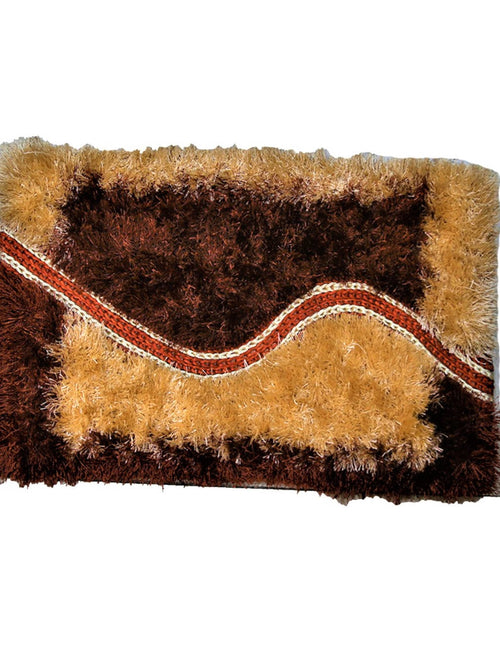
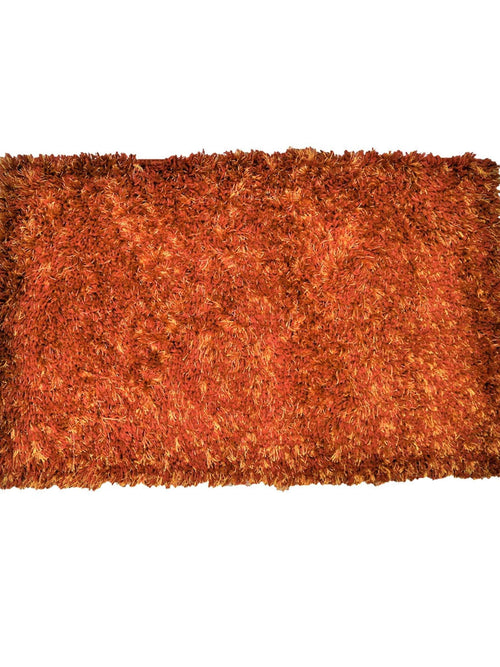
An indoor mat serves as the primary functional barrier between external environments and your interior architecture. Designed to extract moisture and trap ambient dirt before it reaches your primary living spaces, these textiles provide essential floor protection. Crafted from highly absorbent cottons, durable synthetics, and structured microfibers, they feature secure anti-slip backings to ensure continuous structural integrity and safety across high-traffic thresholds and entryways.
Dirt Extraction & Floor Protection
The primary function of an indoor mat is capturing soil, dust, and moisture directly at the threshold. By acting as a structural filter, it prevents abrasive particles from scratching hardwood floors and stops moisture from penetrating delicate interior carpets. The textured surface pile is engineered to scrape shoes efficiently, maintaining a clean perimeter for your internal rooms.
Material Composition & Anti-Slip Architecture
Our inventory utilizes highly functional compositions engineered for heavy foot traffic. We offer tightly woven pure cottons and microfibers for rapid water absorption in wet zones, alongside resilient synthetic blends that resist structural crushing. Crucially, these textiles are equipped with heavy-duty rubberized or TPR (Thermoplastic Rubber) backings, ensuring the mat remains firmly anchored to the floor without shifting during use.
High-Traffic Resilience
Entryways, kitchens, and corridors endure constant daily friction. These mats are specifically constructed to resist surface pilling and edge fraying under heavy footfall. The robust woven architecture ensures the textile retains its precise geometric shape and structural density, providing consistent, long-term performance in the most active zones of a residential environment.
Standard Threshold Dimensions
Proper sizing ensures the mat clears the door sweep without causing friction or bunching. Our indoor mats are cut to standard architectural dimensions (typically 18x30 inches or 24x36 inches). This provides sufficient surface area for complete foot placement and dirt extraction while maintaining a low enough pile height to allow internal doors to open and close seamlessly over the textile.
How to Choose Indoor Mats
Base your selection on the exact placement and expected moisture levels. For high-moisture zones like bathrooms or kitchen sinks, strictly select highly absorbent cotton or microfiber blends. For primary interior entryways, prioritize synthetic textures with rigorous dirt-scraping capabilities. Always measure the clearance gap beneath your door to ensure the mat's pile height will not obstruct the swing path.
How to Clean and Maintain Indoor Mats
Maintenance depends on the material composition and backing. Shake out daily dust or vacuum weekly using suction only. Machine wash cotton and microfiber mats in cold water on a gentle cycle. Strictly air dry or line dry all indoor mats; exposing rubber or TPR anti-slip backings to high-heat machine drying will permanently warp, crack, and degrade the structural grip.
Frequently Asked Questions About Indoor Mats
What are indoor mats used for?
They act as a localized protective barrier at thresholds and high-traffic zones, extracting moisture and trapping dirt from footwear to prevent damage and maintain hygiene across your interior floors.
Which indoor mat is best for high-traffic entryways?
Durable synthetic blends with a low-pile textured surface are optimal. They withstand constant friction, effectively scrape abrasive dirt from shoes, and resist structural crushing over time.
Do I need an anti-slip backing for an indoor mat?
Yes. An anti-slip backing is strictly necessary to anchor the mat to hard surfaces like tile or wood, preventing the textile from sliding underfoot and causing a physical safety hazard.
How do I choose the right indoor mat?
Identify the specific room zone. Choose highly absorbent cottons for wet areas like kitchens, and textured synthetics for main entryways. Ensure the pile height is low enough to allow doors to clear the mat easily.
What size indoor mat should I choose?
Standard dimensions of 18x30 inches or 24x36 inches fit perfectly inside standard single doorways, providing adequate geometric coverage to capture dirt from a normal walking stride.
How do I clean indoor mats?
Vacuum regularly to extract loose dirt. Machine wash fabric mats in cold water, but never use a heated machine dryer, as high temperatures will permanently destroy the anti-slip rubber backing.